.png)


Peak Fulfillment Series Part 3: Fuel Your Best Mood & Productivity
- Myra Houser
- Mar 10
- 6 min read


The Foundation: Start Your Day Right
Your morning sets the tone for everything that follows. Think of your body as a high-performance engine, what you put in determines how you run all day long.
The Coffee Strategy: Enjoy that one beautiful cup of coffee in the morning, but keep it clean. Black coffee or with just a splash of unsweetened almond milk gives you the energy boost without the crash. Skip the flavored syrups, whipped cream, and sugar bombs disguised as coffee drinks. These additions can pack 300-500 calories and send your blood sugar on a rollercoaster that leaves you exhausted by 10 AM.
Transition to Green Tea: After your morning coffee, switch to green tea throughout the day. Green tea provides a gentle, sustained energy from its natural caffeine plus L-theanine, which promotes calm focus without jitters. It's hydrating, packed with antioxidants, and keeps your metabolism humming. Keep a thermos at your desk or in your car.
The Goldilocks Principle: Not Too Much, Not Too Little
Remember the story of Goldilocks? She needed everything "just right." Your body is the same way.
Protein Power: Aim for 25-35 grams of quality protein at each main meal. This is your satiety secret weapon. Good protein sources include grilled chicken, wild-caught fish, eggs, Greek yogurt, legumes, and lean grass-fed beef. Protein stabilizes blood sugar, keeps you full longer, and provides the amino acids your brain needs to produce mood-regulating neurotransmitters like serotonin and dopamine.
Carbs with Wisdom: You need carbohydrates for energy and brain function, but choose wisely. Think colorful vegetables, quinoa, sweet potatoes, and fresh fruit rather than bread baskets and pasta mountains. These complex carbs provide sustained energy without the spike-and-crash cycle.
Sugar: The Productivity Killer: Keep added sugars minimal, ideally under 25 grams per day. Sugar creates inflammation, brain fog, energy crashes, and mood swings. Read labels carefully; sugar hides in salad dressings, sauces, and "healthy" snacks under dozens of names.

The 80% Full Philosophy
The Japanese concept of "hara hachi bu" means eating until you're 80% full. This practice promotes better digestion, sustained energy, and longevity. Your stomach needs space to work its magic.
Restaurant Strategy: When your meal arrives, immediately ask for a to-go box. Split your entrée in half before you take the first bite. This removes temptation and gives you tomorrow's lunch. You'll save money, calories, and feel energized instead of stuffed.
The 20-Minute Rule: It takes about 20 minutes for your brain to register fullness. Slow down. Put your fork down between bites. Engage in conversation. Savor each bite. When you eat mindfully, you'll naturally stop at 80% because you'll actually feel the satisfaction.
Vegetable Expansion Project
Challenge yourself to try one new vegetable each week. This keeps meals exciting and floods your body with diverse nutrients and fiber.
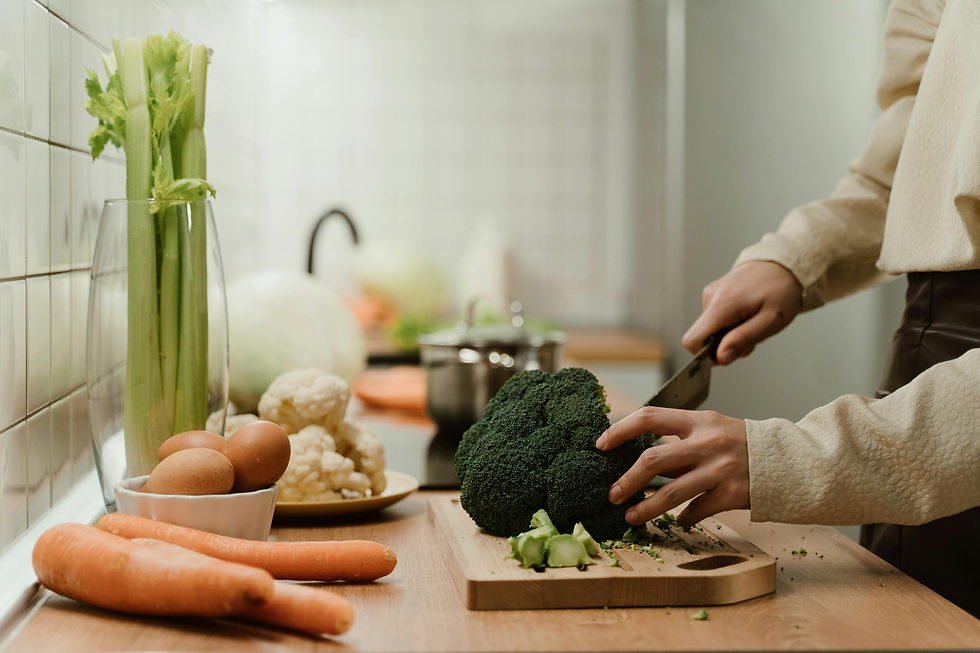
Cruciferous Superstars: Broccoli, Brussels sprouts, cabbage, cauliflower, kale, and bok choy are nutritional powerhouses. These vegetables contain compounds called glucosinolates that support detoxification and have been shown to have cancer-fighting properties. They're also loaded with fiber that feeds your beneficial gut bacteria, which directly influences your mood and mental clarity.
Preparation Matters: Don't like steamed broccoli? Try it roasted with garlic and olive oil until crispy. Shred Brussels sprouts and sauté them with bacon and balsamic vinegar. Massage kale with lemon juice to soften it. Cauliflower can be riced, mashed, or roasted into "steaks." Get creative.
Fiber is Your Friend: High-fiber vegetables like artichokes, Brussels sprouts, carrots, beets, and leafy greens support digestive health, stabilize blood sugar, and help you feel full. Aim for 25-35 grams of fiber daily. Your gut microbiome will thank you, and so will your energy levels.
Smart Swaps for Real Life
Instead of This → Choose This:
French fries → Roasted vegetables, side salad, or fresh fruit
White rice → Cauliflower rice, brown rice, quinoa, or extra vegetables
Burger bun → Lettuce wrap or eat it bowl-style
Mashed potatoes → Mashed cauliflower or roasted Brussels sprouts
Wheat bread → Leafy greens as a wrap, or skip bread entirely
Croutons on salad → Nuts or seeds for crunch
Creamy dressing → Olive oil and vinegar
Pasta → Zucchini noodles or spaghetti squash
The Potato Problem: White potatoes, especially fried or mashed with butter and cream, spike blood sugar rapidly. If you love potatoes, choose small portions of sweet potatoes or red potatoes with the skin on, which have more fiber and nutrients.
Eating Out Like a Pro
You can maintain your energy and health goals while still enjoying restaurants and social occasions.
Before You Arrive:
Don't go starving. Have a small protein snack beforehand to avoid desperation ordering
Look at the menu online and decide what you'll order before temptation strikes
Drink 16 ounces of water before you leave
At the Restaurant:
Ask for water immediately and drink a full glass before ordering
Request sauces and dressings on the side
Inquire about preparation methods—grilled, baked, and steamed beat fried every time
Ask for double vegetables instead of the starch
Order an appetizer-sized portion as your entrée
Skip the bread basket or ask them not to bring it
Strategic Ordering:
Start with a broth-based soup or side salad to take the edge off hunger
Choose grilled fish or chicken with vegetables
Mexican restaurant? Fajitas without tortillas, extra peppers and onions
Italian? Grilled protein with marinara (not cream sauce) and a side of sautéed spinach
Asian cuisine? Stir-fry with extra vegetables, sauce on the side, skip the rice or have just a few bites
Steakhouse? Petite filet with asparagus and a side salad
Alcohol Wisdom:
If you choose to drink, do so strategically. Alcohol affects blood sugar, sleep quality, decision-making, and adds empty calories.
Limit to 1-2 drinks maximum
Choose wisely: Dry wine, light beer, or spirits with soda water and lime
Avoid sugary mixers, frozen drinks, and craft cocktails loaded with syrups
Drink one full glass of water between any alcoholic beverages
Eat protein and healthy fats with alcohol to slow absorption
Earlier in the evening is better than right before bed
Consider having alcohol-free days throughout your week
Timing Matters
When You Eat:
Breakfast within 90 minutes of waking fuels your metabolism
Eat every 3-4 hours to maintain stable energy
Finish eating 2-3 hours before bedtime for better sleep and digestion
If you're hungry between meals, reach for protein and healthy fats (handful of almonds, hard-boiled egg, veggies with hummus)
The Post-Meal Movement Magic
After eating, your body needs help processing all that fuel efficiently.
Immediate Actions (Within 15 Minutes):
Take a 10-15 minute walk—even around the block or the parking lot
If at work, walk the stairs for 5 minutes
Do gentle stretching at your desk
The goal is light movement, not a workout
Why It Works: Post-meal movement helps regulate blood sugar, improves digestion, prevents that afternoon slump, and boosts mood through endorphin release. Studies show even a 10-minute walk after eating can significantly improve blood sugar control.
Office Solutions:
Schedule walking meetings after lunch
Park farther away and walk
Take the stairs instead of the elevator
Set a timer to stand and move every hour
Keep resistance bands at your desk for quick movement breaks

The Business Lunch Strategy
Frequent business meals require extra planning.
Before the Meeting:
Eat a small protein snack so you're not making decisions while hungry
Suggest restaurants with healthy options
Remember: everyone is judging your choice less than you think
During the Meeting:
Focus on the conversation, not the food
Order first if possible to set the healthy tone
Choose simply prepared proteins and vegetables
Coffee or tea afterward instead of dessert
Managing Social Pressure:
"I'm fueling for an afternoon workout"
"I feel so much better when I eat this way"
"I'm good with this, thanks!" (no explanation needed)
Lead by confident example
Quick Win Checklist
Use this daily checklist to build sustainable habits:
☐ One clean coffee, then green tea throughout the day
☐ 25-35g protein at each main meal
☐ At least 5 servings of vegetables (especially cruciferous)
☐ Stopped eating at 80% full
☐ Took a 10-minute walk after largest meal
☐ Drank at least 64oz of water
☐ Limited added sugar to under 25g
☐ Made at least one smart swap
Your Encouragement for the Journey
Change doesn't happen overnight, and that's perfectly fine. You're not pursuing perfection—you're pursuing progress. Each meal is a new opportunity to fuel your body well. One great choice leads to another, and before you know it, these decisions become automatic.
Your body is incredibly forgiving and responsive. Within days of eating this way, you'll notice sharper thinking, more stable energy, better mood, and improved sleep. Within weeks, you'll see changes in how your clothes fit, your skin's appearance, and your overall vitality.
You're not depriving yourself, you're honoring the amazing body that carries you through life. You're choosing to feel energized rather than exhausted. You're selecting clarity over brain fog. You're picking sustained productivity over the energy rollercoaster.
Every restaurant meal is a chance to practice. Every social gathering is an opportunity to show yourself what you're capable of. Every morning is a fresh start.
The people worth spending time with will support your choices. The right foods will fuel your biggest dreams. And your body? It's already cheering you on, ready to thrive when you give it what it truly needs.
You've got this. One meal, one choice, one day at a time.

Remember: These suggestions are from a health coaching perspective. Always consult with your healthcare provider before making significant dietary changes, especially if you have existing health conditions or take medications.


Comments